Gym Health

Checks blood count, iron stores, blood sugar, cholesterol, thyroid, liver, minerals and inflammation, and measures your kidneys in two ways because muscle and creatine distort the usual kidney test.

Checking your cart
An ochre dumbbell, sage towel and coral water bottle on aubergine. Illustration for Gym Health from Enkel Health.

Your results together

Sample at a nearby location, results in your personal dashboard.

Encrypted and deletable

Stored on servers in Stockholm. You can delete your account at any time.

Who it's for

People who lift weights or train regularly and want their blood values read with their training in mind.

Compare your options

See what each test adds, then explore the markers below.

Gym Health

Gym Health

Checks blood count, iron stores, blood sugar, cholesterol, thyroid, liver, minerals and inflammation, and measures your kidneys in two ways because muscle and creatine distort the usual kidney test.

  • Blood count and iron stores
  • Blood sugar and cholesterol
  • Kidneys measured two ways

1,345 kr

27 markers

Checking your cart
What is included?
  • White blood cells (LPK)

    White blood cells (LPK)

    White blood cells that fight infection

    White blood cells are part of the immune system. This test counts them together; a differential count gives separate results for the different cell types.

  • Non-HDL cholesterol

    Non-HDL cholesterol

    Total cholesterol minus HDL cholesterol

    Non-HDL is calculated by subtracting HDL cholesterol from total cholesterol. It includes cholesterol carried by LDL and other particles relevant to cardiovascular risk.

  • MCHC

    MCHC

    Haemoglobin concentration in your red cells

    MCHC is the average concentration of haemoglobin within red blood cells. It adds information to the cell size and the amount of haemoglobin per cell.

  • AST

    AST

    A liver and muscle enzyme

    AST is found in liver, heart, and muscle. It often tracks ALT but is less specific to the liver.

  • HDL cholesterol

    HDL cholesterol

    Cholesterol carried in HDL

    HDL particles help transport cholesterol back to the liver. The test measures the cholesterol carried in those particles.

  • Red blood cells (EPK)

    Red blood cells (EPK)

    Number of red cells

    The red blood cell count measures how many red cells are present in the blood. It is read with haemoglobin, which carries oxygen, and haematocrit, the proportion of blood occupied by red cells.

  • Calcium

    Calcium

    For bones, muscles, and nerves

    Calcium is required for bones, muscle contraction, nerve function, and blood clotting. The value is tightly regulated by parathyroid glands, vitamin D, and kidneys.

  • LDL cholesterol

    LDL cholesterol

    The main cholesterol risk factor

    LDL particles carry cholesterol to tissues. The amount of LDL cholesterol is used when assessing long-term cardiovascular risk and any need for treatment.

  • Creatinine

    Creatinine

    How well your kidneys filter

    Creatinine is produced during normal muscle activity and removed from the blood by the kidneys. Its level helps estimate kidney filtering, with muscle mass and other factors taken into account.

  • Magnesium

    Magnesium

    For muscle and nerve function

    Magnesium supports many chemical reactions and helps muscles, nerves and the heart function. The blood level does not measure all of the magnesium stored in the body.

  • TSH

    TSH

    The hormone signal that helps control the thyroid

    TSH is made by the pituitary gland and signals the thyroid to produce hormones. It is often measured first when assessing thyroid function.

  • Total cholesterol

    Total cholesterol

    Your overall cholesterol level

    Total cholesterol measures the cholesterol carried in all lipoproteins and is interpreted with the rest of the lipid profile.

  • Albumin

    Albumin

    A blood protein made by the liver

    Albumin is a protein made by the liver. It helps keep fluid in blood vessels and carries substances such as hormones and medicines.

  • Ferritin

    Ferritin

    Your iron stores

    Ferritin is a protein that stores iron. Its blood level helps assess iron stores, which can become low before haemoglobin falls. Inflammation can raise ferritin and complicate interpretation.

  • Platelets (TPK)

    Platelets (TPK)

    Platelets - the cells that help blood clot

    Platelets help stop bleeding by forming part of a blood clot. The platelet count measures how many are present in the blood.

  • CRP

    CRP

    A nonspecific inflammation marker

    CRP rises rapidly in infection and inflammation. It is used primarily to detect ongoing acute inflammation.

  • MCH

    MCH

    Haemoglobin per red cell

    MCH is the average amount of haemoglobin in each red blood cell. Read with cell size and total haemoglobin, it adds detail to the blood-count pattern.

  • Haemoglobin (Hb)

    Haemoglobin (Hb)

    The oxygen-carrying protein in your blood

    Haemoglobin carries oxygen inside red blood cells. Its concentration is a key part of the blood count and helps assess anaemia, also called a low blood count.

  • Cystatin C

    Cystatin C

    A protein used to estimate kidney filtering

    Cystatin C is a protein removed from the blood by the kidneys. Its level can complement creatinine when estimating kidney filtering and is less affected by muscle mass.

  • MCV

    MCV

    The size of your red cells

    MCV measures the average size of red blood cells. It adds information to haemoglobin and the other blood-count measurements.

  • HbA1c

    HbA1c

    Long-term blood sugar

    HbA1c reflects average blood sugar over roughly 8-12 weeks and supports diabetes assessment in appropriate clinical circumstances.

  • Sodium

    Sodium

    Your fluid balance

    Sodium regulates the body's fluid balance and nerve function. The value is kept within narrow limits, and abnormalities usually reflect fluid imbalance.

  • Potassium

    Potassium

    Essential for heart and muscle

    Potassium helps nerves, muscles and the heart work normally. The blood test measures the potassium circulating in the blood.

  • Triglycerides

    Triglycerides

    A type of blood fat used for energy

    Triglycerides are fats that the body stores and uses for energy. The blood level is assessed with the other blood fats and the timing of meals.

  • Glucose

    Glucose

    Your blood sugar right now

    Glucose is blood sugar, which the body uses for energy. This test measures its level at the time the sample was taken.

  • Haematocrit (EVF)

    Haematocrit (EVF)

    Share of red cells in your blood

    Haematocrit measures the proportion of blood occupied by red blood cells. It is read with haemoglobin and the red-cell count; fluid balance also affects the proportion.

  • ALT

    ALT

    An enzyme measured in liver blood tests

    ALT is an enzyme found mainly in liver cells. More can enter the blood when those cells are affected, so it is measured as part of a liver assessment.

Runner's Health

Runner's Health

Checks blood count, iron stores and iron transport, vitamin B12 and folate, kidneys, minerals, liver, thyroid and long-term blood sugar.

  • Blood count and four iron values
  • B12 and folate
  • Kidneys, minerals and thyroid

1,545 kr

25 markers

Checking your cart
What is included?
  • White blood cells (LPK)

    White blood cells (LPK)

    White blood cells that fight infection

    White blood cells are part of the immune system. This test counts them together; a differential count gives separate results for the different cell types.

  • Folate (B9)

    Folate (B9)

    Helps your body make new cells

    Folate (vitamin B9) helps your body make new cells, including red blood cells.

  • MCHC

    MCHC

    Haemoglobin concentration in your red cells

    MCHC is the average concentration of haemoglobin within red blood cells. It adds information to the cell size and the amount of haemoglobin per cell.

  • AST

    AST

    A liver and muscle enzyme

    AST is found in liver, heart, and muscle. It often tracks ALT but is less specific to the liver.

  • Red blood cells (EPK)

    Red blood cells (EPK)

    Number of red cells

    The red blood cell count measures how many red cells are present in the blood. It is read with haemoglobin, which carries oxygen, and haematocrit, the proportion of blood occupied by red cells.

  • Calcium

    Calcium

    For bones, muscles, and nerves

    Calcium is required for bones, muscle contraction, nerve function, and blood clotting. The value is tightly regulated by parathyroid glands, vitamin D, and kidneys.

  • Transferrin saturation

    Transferrin saturation

    The share of iron-carrying capacity being used

    Transferrin saturation describes how much of the blood's iron-carrying capacity is occupied by iron.

  • Transferrin

    Transferrin

    The protein that carries iron

    Transferrin is a protein that carries iron in the blood. It is measured with other iron tests to assess transport and availability.

  • Creatinine

    Creatinine

    How well your kidneys filter

    Creatinine is produced during normal muscle activity and removed from the blood by the kidneys. Its level helps estimate kidney filtering, with muscle mass and other factors taken into account.

  • Magnesium

    Magnesium

    For muscle and nerve function

    Magnesium supports many chemical reactions and helps muscles, nerves and the heart function. The blood level does not measure all of the magnesium stored in the body.

  • TSH

    TSH

    The hormone signal that helps control the thyroid

    TSH is made by the pituitary gland and signals the thyroid to produce hormones. It is often measured first when assessing thyroid function.

  • Ferritin

    Ferritin

    Your iron stores

    Ferritin is a protein that stores iron. Its blood level helps assess iron stores, which can become low before haemoglobin falls. Inflammation can raise ferritin and complicate interpretation.

  • Platelets (TPK)

    Platelets (TPK)

    Platelets - the cells that help blood clot

    Platelets help stop bleeding by forming part of a blood clot. The platelet count measures how many are present in the blood.

  • CRP

    CRP

    A nonspecific inflammation marker

    CRP rises rapidly in infection and inflammation. It is used primarily to detect ongoing acute inflammation.

  • MCH

    MCH

    Haemoglobin per red cell

    MCH is the average amount of haemoglobin in each red blood cell. Read with cell size and total haemoglobin, it adds detail to the blood-count pattern.

  • Haemoglobin (Hb)

    Haemoglobin (Hb)

    The oxygen-carrying protein in your blood

    Haemoglobin carries oxygen inside red blood cells. Its concentration is a key part of the blood count and helps assess anaemia, also called a low blood count.

  • Cystatin C

    Cystatin C

    A protein used to estimate kidney filtering

    Cystatin C is a protein removed from the blood by the kidneys. Its level can complement creatinine when estimating kidney filtering and is less affected by muscle mass.

  • MCV

    MCV

    The size of your red cells

    MCV measures the average size of red blood cells. It adds information to haemoglobin and the other blood-count measurements.

  • HbA1c

    HbA1c

    Long-term blood sugar

    HbA1c reflects average blood sugar over roughly 8-12 weeks and supports diabetes assessment in appropriate clinical circumstances.

  • Sodium

    Sodium

    Your fluid balance

    Sodium regulates the body's fluid balance and nerve function. The value is kept within narrow limits, and abnormalities usually reflect fluid imbalance.

  • Potassium

    Potassium

    Essential for heart and muscle

    Potassium helps nerves, muscles and the heart work normally. The blood test measures the potassium circulating in the blood.

  • Vitamin B12

    Vitamin B12

    Needed for nerves and red cells

    Vitamin B12 supports nerve function and the formation of red blood cells. The blood test is one part of assessing the body's supply of this vitamin.

  • Iron

    Iron

    Iron currently moving in your blood

    Serum iron measures how much iron is currently being transported in the blood. It varies through the day and is interpreted with transferrin and ferritin.

  • Haematocrit (EVF)

    Haematocrit (EVF)

    Share of red cells in your blood

    Haematocrit measures the proportion of blood occupied by red blood cells. It is read with haemoglobin and the red-cell count; fluid balance also affects the proportion.

  • ALT

    ALT

    An enzyme measured in liver blood tests

    ALT is an enzyme found mainly in liver cells. More can enter the blood when those cells are affected, so it is measured as part of a liver assessment.

Fitness Premium

Fitness Premium

Every test in Gym Health and in Runner's Health, with vitamin D added.

  • Every test in both sport panels
  • Blood sugar, cholesterol and iron
  • Vitamin D

1,845 kr

All 25 Runner's Health markers + 8 extra

Checking your cart
What is included?
  • White blood cells (LPK)

    White blood cells (LPK)

    White blood cells that fight infection

    White blood cells are part of the immune system. This test counts them together; a differential count gives separate results for the different cell types.

  • Non-HDL cholesterol

    Non-HDL cholesterol

    Total cholesterol minus HDL cholesterol

    Non-HDL is calculated by subtracting HDL cholesterol from total cholesterol. It includes cholesterol carried by LDL and other particles relevant to cardiovascular risk.

  • Folate (B9)

    Folate (B9)

    Helps your body make new cells

    Folate (vitamin B9) helps your body make new cells, including red blood cells.

  • MCHC

    MCHC

    Haemoglobin concentration in your red cells

    MCHC is the average concentration of haemoglobin within red blood cells. It adds information to the cell size and the amount of haemoglobin per cell.

  • Vitamin D (25-OH)

    Vitamin D (25-OH)

    The blood measure used to assess vitamin D supply

    The test measures 25-hydroxyvitamin D, the form used to assess vitamin D supply. Vitamin D helps regulate calcium and supports bone health.

  • AST

    AST

    A liver and muscle enzyme

    AST is found in liver, heart, and muscle. It often tracks ALT but is less specific to the liver.

  • HDL cholesterol

    HDL cholesterol

    Cholesterol carried in HDL

    HDL particles help transport cholesterol back to the liver. The test measures the cholesterol carried in those particles.

  • Red blood cells (EPK)

    Red blood cells (EPK)

    Number of red cells

    The red blood cell count measures how many red cells are present in the blood. It is read with haemoglobin, which carries oxygen, and haematocrit, the proportion of blood occupied by red cells.

  • Calcium

    Calcium

    For bones, muscles, and nerves

    Calcium is required for bones, muscle contraction, nerve function, and blood clotting. The value is tightly regulated by parathyroid glands, vitamin D, and kidneys.

  • Transferrin saturation

    Transferrin saturation

    The share of iron-carrying capacity being used

    Transferrin saturation describes how much of the blood's iron-carrying capacity is occupied by iron.

  • LDL cholesterol

    LDL cholesterol

    The main cholesterol risk factor

    LDL particles carry cholesterol to tissues. The amount of LDL cholesterol is used when assessing long-term cardiovascular risk and any need for treatment.

  • Transferrin

    Transferrin

    The protein that carries iron

    Transferrin is a protein that carries iron in the blood. It is measured with other iron tests to assess transport and availability.

  • Creatinine

    Creatinine

    How well your kidneys filter

    Creatinine is produced during normal muscle activity and removed from the blood by the kidneys. Its level helps estimate kidney filtering, with muscle mass and other factors taken into account.

  • Magnesium

    Magnesium

    For muscle and nerve function

    Magnesium supports many chemical reactions and helps muscles, nerves and the heart function. The blood level does not measure all of the magnesium stored in the body.

  • TSH

    TSH

    The hormone signal that helps control the thyroid

    TSH is made by the pituitary gland and signals the thyroid to produce hormones. It is often measured first when assessing thyroid function.

  • Total cholesterol

    Total cholesterol

    Your overall cholesterol level

    Total cholesterol measures the cholesterol carried in all lipoproteins and is interpreted with the rest of the lipid profile.

  • Albumin

    Albumin

    A blood protein made by the liver

    Albumin is a protein made by the liver. It helps keep fluid in blood vessels and carries substances such as hormones and medicines.

  • Ferritin

    Ferritin

    Your iron stores

    Ferritin is a protein that stores iron. Its blood level helps assess iron stores, which can become low before haemoglobin falls. Inflammation can raise ferritin and complicate interpretation.

  • Platelets (TPK)

    Platelets (TPK)

    Platelets - the cells that help blood clot

    Platelets help stop bleeding by forming part of a blood clot. The platelet count measures how many are present in the blood.

  • CRP

    CRP

    A nonspecific inflammation marker

    CRP rises rapidly in infection and inflammation. It is used primarily to detect ongoing acute inflammation.

  • MCH

    MCH

    Haemoglobin per red cell

    MCH is the average amount of haemoglobin in each red blood cell. Read with cell size and total haemoglobin, it adds detail to the blood-count pattern.

  • Haemoglobin (Hb)

    Haemoglobin (Hb)

    The oxygen-carrying protein in your blood

    Haemoglobin carries oxygen inside red blood cells. Its concentration is a key part of the blood count and helps assess anaemia, also called a low blood count.

  • Cystatin C

    Cystatin C

    A protein used to estimate kidney filtering

    Cystatin C is a protein removed from the blood by the kidneys. Its level can complement creatinine when estimating kidney filtering and is less affected by muscle mass.

  • MCV

    MCV

    The size of your red cells

    MCV measures the average size of red blood cells. It adds information to haemoglobin and the other blood-count measurements.

  • HbA1c

    HbA1c

    Long-term blood sugar

    HbA1c reflects average blood sugar over roughly 8-12 weeks and supports diabetes assessment in appropriate clinical circumstances.

  • Sodium

    Sodium

    Your fluid balance

    Sodium regulates the body's fluid balance and nerve function. The value is kept within narrow limits, and abnormalities usually reflect fluid imbalance.

  • Potassium

    Potassium

    Essential for heart and muscle

    Potassium helps nerves, muscles and the heart work normally. The blood test measures the potassium circulating in the blood.

  • Vitamin B12

    Vitamin B12

    Needed for nerves and red cells

    Vitamin B12 supports nerve function and the formation of red blood cells. The blood test is one part of assessing the body's supply of this vitamin.

  • Triglycerides

    Triglycerides

    A type of blood fat used for energy

    Triglycerides are fats that the body stores and uses for energy. The blood level is assessed with the other blood fats and the timing of meals.

  • Iron

    Iron

    Iron currently moving in your blood

    Serum iron measures how much iron is currently being transported in the blood. It varies through the day and is interpreted with transferrin and ferritin.

  • Glucose

    Glucose

    Your blood sugar right now

    Glucose is blood sugar, which the body uses for energy. This test measures its level at the time the sample was taken.

  • Haematocrit (EVF)

    Haematocrit (EVF)

    Share of red cells in your blood

    Haematocrit measures the proportion of blood occupied by red blood cells. It is read with haemoglobin and the red-cell count; fluid balance also affects the proportion.

  • ALT

    ALT

    An enzyme measured in liver blood tests

    ALT is an enzyme found mainly in liver cells. More can enter the blood when those cells are affected, so it is measured as part of a liver assessment.

Blood draw and clear results in every option.

What is included?

Markers included in the Gym Health tiers
Marker
Gym Health
Runner's Health
Fitness Premium
Heart
Non-HDL cholesterol

Non-HDL cholesterol

Total cholesterol minus HDL cholesterol

Non-HDL is calculated by subtracting HDL cholesterol from total cholesterol. It includes cholesterol carried by LDL and other particles relevant to cardiovascular risk.

IncludedNot includedIncluded
HDL cholesterol

HDL cholesterol

Cholesterol carried in HDL

HDL particles help transport cholesterol back to the liver. The test measures the cholesterol carried in those particles.

IncludedNot includedIncluded
LDL cholesterol

LDL cholesterol

The main cholesterol risk factor

LDL particles carry cholesterol to tissues. The amount of LDL cholesterol is used when assessing long-term cardiovascular risk and any need for treatment.

IncludedNot includedIncluded
Total cholesterol

Total cholesterol

Your overall cholesterol level

Total cholesterol measures the cholesterol carried in all lipoproteins and is interpreted with the rest of the lipid profile.

IncludedNot includedIncluded
Triglycerides

Triglycerides

A type of blood fat used for energy

Triglycerides are fats that the body stores and uses for energy. The blood level is assessed with the other blood fats and the timing of meals.

IncludedNot includedIncluded
Diabetes
HbA1c

HbA1c

Long-term blood sugar

HbA1c reflects average blood sugar over roughly 8-12 weeks and supports diabetes assessment in appropriate clinical circumstances.

IncludedIncludedIncluded
Glucose

Glucose

Your blood sugar right now

Glucose is blood sugar, which the body uses for energy. This test measures its level at the time the sample was taken.

IncludedNot includedIncluded
Thyroid
TSH

TSH

The hormone signal that helps control the thyroid

TSH is made by the pituitary gland and signals the thyroid to produce hormones. It is often measured first when assessing thyroid function.

IncludedIncludedIncluded
Vitamins & Minerals
Magnesium

Magnesium

For muscle and nerve function

Magnesium supports many chemical reactions and helps muscles, nerves and the heart function. The blood level does not measure all of the magnesium stored in the body.

IncludedIncludedIncluded
Folate (B9)

Folate (B9)

Helps your body make new cells

Folate (vitamin B9) helps your body make new cells, including red blood cells.

Not includedIncludedIncluded
Vitamin B12

Vitamin B12

Needed for nerves and red cells

Vitamin B12 supports nerve function and the formation of red blood cells. The blood test is one part of assessing the body's supply of this vitamin.

Not includedIncludedIncluded
Vitamin D (25-OH)

Vitamin D (25-OH)

The blood measure used to assess vitamin D supply

The test measures 25-hydroxyvitamin D, the form used to assess vitamin D supply. Vitamin D helps regulate calcium and supports bone health.

Not includedNot includedIncluded
Iron
White blood cells (LPK)

White blood cells (LPK)

White blood cells that fight infection

White blood cells are part of the immune system. This test counts them together; a differential count gives separate results for the different cell types.

IncludedIncludedIncluded
MCHC

MCHC

Haemoglobin concentration in your red cells

MCHC is the average concentration of haemoglobin within red blood cells. It adds information to the cell size and the amount of haemoglobin per cell.

IncludedIncludedIncluded
Red blood cells (EPK)

Red blood cells (EPK)

Number of red cells

The red blood cell count measures how many red cells are present in the blood. It is read with haemoglobin, which carries oxygen, and haematocrit, the proportion of blood occupied by red cells.

IncludedIncludedIncluded
Ferritin

Ferritin

Your iron stores

Ferritin is a protein that stores iron. Its blood level helps assess iron stores, which can become low before haemoglobin falls. Inflammation can raise ferritin and complicate interpretation.

IncludedIncludedIncluded
Platelets (TPK)

Platelets (TPK)

Platelets - the cells that help blood clot

Platelets help stop bleeding by forming part of a blood clot. The platelet count measures how many are present in the blood.

IncludedIncludedIncluded
MCH

MCH

Haemoglobin per red cell

MCH is the average amount of haemoglobin in each red blood cell. Read with cell size and total haemoglobin, it adds detail to the blood-count pattern.

IncludedIncludedIncluded
Haemoglobin (Hb)

Haemoglobin (Hb)

The oxygen-carrying protein in your blood

Haemoglobin carries oxygen inside red blood cells. Its concentration is a key part of the blood count and helps assess anaemia, also called a low blood count.

IncludedIncludedIncluded
MCV

MCV

The size of your red cells

MCV measures the average size of red blood cells. It adds information to haemoglobin and the other blood-count measurements.

IncludedIncludedIncluded
Haematocrit (EVF)

Haematocrit (EVF)

Share of red cells in your blood

Haematocrit measures the proportion of blood occupied by red blood cells. It is read with haemoglobin and the red-cell count; fluid balance also affects the proportion.

IncludedIncludedIncluded
Transferrin saturation

Transferrin saturation

The share of iron-carrying capacity being used

Transferrin saturation describes how much of the blood's iron-carrying capacity is occupied by iron.

Not includedIncludedIncluded
Transferrin

Transferrin

The protein that carries iron

Transferrin is a protein that carries iron in the blood. It is measured with other iron tests to assess transport and availability.

Not includedIncludedIncluded
Iron

Iron

Iron currently moving in your blood

Serum iron measures how much iron is currently being transported in the blood. It varies through the day and is interpreted with transferrin and ferritin.

Not includedIncludedIncluded
Liver
AST

AST

A liver and muscle enzyme

AST is found in liver, heart, and muscle. It often tracks ALT but is less specific to the liver.

IncludedIncludedIncluded
Albumin

Albumin

A blood protein made by the liver

Albumin is a protein made by the liver. It helps keep fluid in blood vessels and carries substances such as hormones and medicines.

IncludedNot includedIncluded
ALT

ALT

An enzyme measured in liver blood tests

ALT is an enzyme found mainly in liver cells. More can enter the blood when those cells are affected, so it is measured as part of a liver assessment.

IncludedIncludedIncluded
Kidney
Creatinine

Creatinine

How well your kidneys filter

Creatinine is produced during normal muscle activity and removed from the blood by the kidneys. Its level helps estimate kidney filtering, with muscle mass and other factors taken into account.

IncludedIncludedIncluded
Cystatin C

Cystatin C

A protein used to estimate kidney filtering

Cystatin C is a protein removed from the blood by the kidneys. Its level can complement creatinine when estimating kidney filtering and is less affected by muscle mass.

IncludedIncludedIncluded
Inflammation
CRP

CRP

A nonspecific inflammation marker

CRP rises rapidly in infection and inflammation. It is used primarily to detect ongoing acute inflammation.

IncludedIncludedIncluded
General Chemistry
Calcium

Calcium

For bones, muscles, and nerves

Calcium is required for bones, muscle contraction, nerve function, and blood clotting. The value is tightly regulated by parathyroid glands, vitamin D, and kidneys.

IncludedIncludedIncluded
Sodium

Sodium

Your fluid balance

Sodium regulates the body's fluid balance and nerve function. The value is kept within narrow limits, and abnormalities usually reflect fluid imbalance.

IncludedIncludedIncluded
Potassium

Potassium

Essential for heart and muscle

Potassium helps nerves, muscles and the heart work normally. The blood test measures the potassium circulating in the blood.

IncludedIncludedIncluded
Tap the i beside a marker to read what it measures.Showing only what changes between tiers
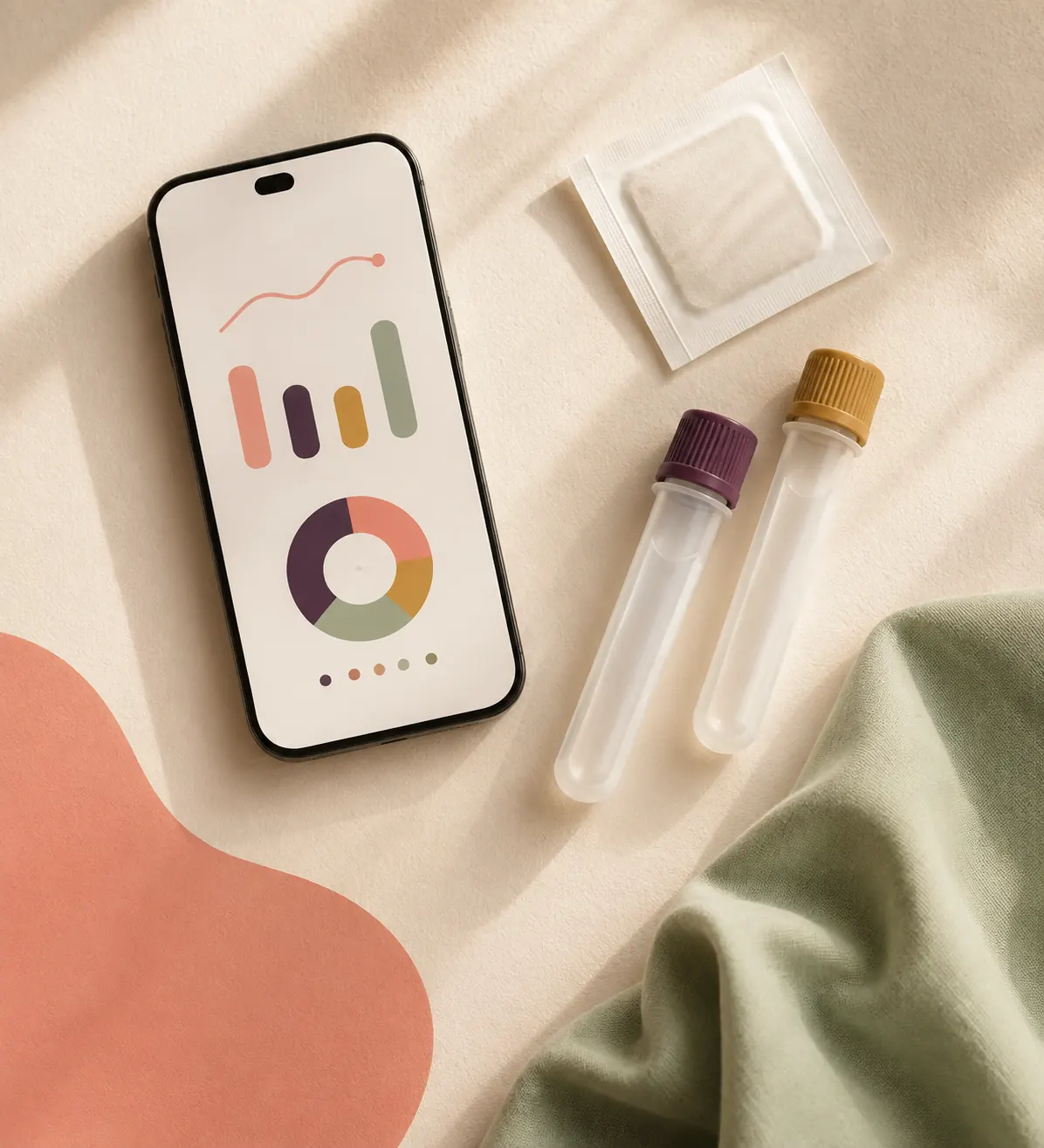
Phone displaying health charts beside blood sample tubes

How it works

  1. Order online

    Pay 1,345 kr. No referral needed.

  2. Give a sample

    Visit a clinic once your referral is ready. Follow your preparation instructions and check the clinic’s opening hours and booking arrangements.

    A 12-hour fast before your test

    Please leave 12 hours without food before your blood sample. Plain water is welcome during your fast; please save other drinks for afterwards. If you take diabetes medicines or medicines that need food, please ask your prescriber how to prepare before you start fasting. Please check with them before making any changes to prescribed treatment.

    Let's plan your sample before 10am

    Some of the markers in your test vary throughout the day, so we'll need your sample before 10am. Please give yourself a little extra time to arrive and settle in.

    Taking Levaxin in the morning?

    If this test is to monitor your treatment, the laboratory recommends a morning sample before your usual tablet. Follow any individual instructions from your treating clinician. If you take it at another time or have recently changed treatment, ask your prescriber about sample timing.

    Do you take biotin supplements?

    Biotin can affect some blood test results. We can help you prepare before your visit, based on the product name and dose. If it's prescribed, check with your prescriber before making changes. Ask us before your visit

    Add details for your doctor

    Save relevant medicines, supplements (including creatine), previous results and your reason for testing in the notes on your order page. Mention recent illness and strenuous exercise where relevant. These are read during the results review. If you need advice before sampling, contact us; saving a note is not a request for advice before your visit. Contact us

  3. Where to find your results

    You will be notified when your results are available in your account. You can read them there and follow your values over time.

  4. A doctor comments on your results

    A doctor goes through your results and writes a note in your account.

Other panels

You can add another test to your order.

See all tests
A seated person in coral clothing holding an ivory book. Illustration for Vitals Pro from Enkel Health.

Vitals Pro

Vitals plus inherited heart risk, B vitamins and more thyroid.

1,545 kr
An ochre footbridge with coral railings over a sage river among trees. Illustration for Midlife Health from Enkel Health.

Midlife Health

Thyroid, iron, B12, cholesterol and blood sugar from 40 onwards.

1,395 kr
An ochre metronome with an ivory pendulum beside a sage mug and plant. Illustration for Heart Health Advanced from Enkel Health.

Heart Health Advanced

The heart-risk tests plus a general health check.

1,395 kr

Frequently asked questions

Still here?

To protect your health information, we'll sign you out after 40 minutes without activity.

Signing out in 60 seconds